Digital Future with Micro:bit

  • Inspiring every child to create their best digital future.

Building Africa’s Digital Future—One Classroom at a Time

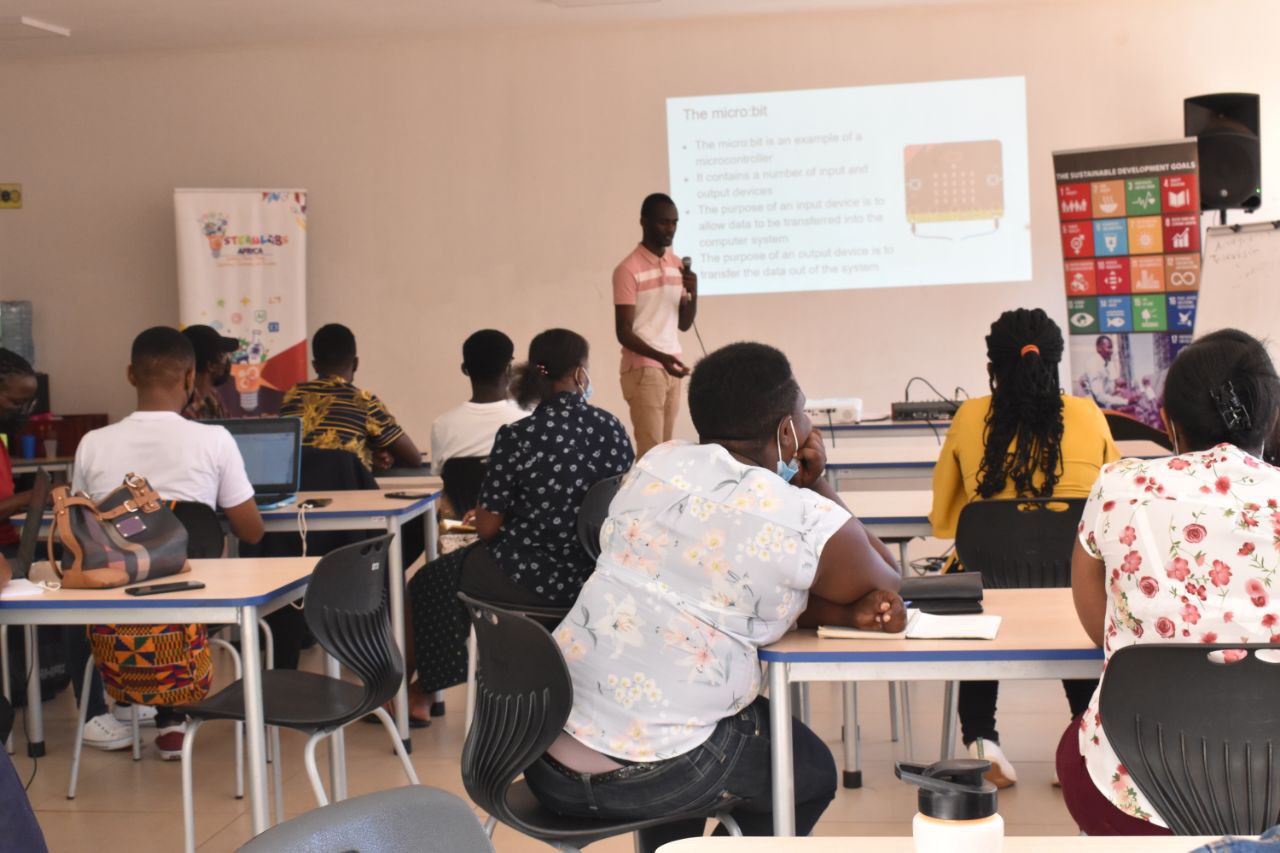
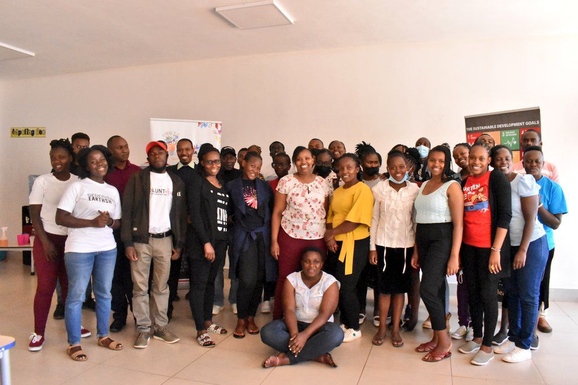
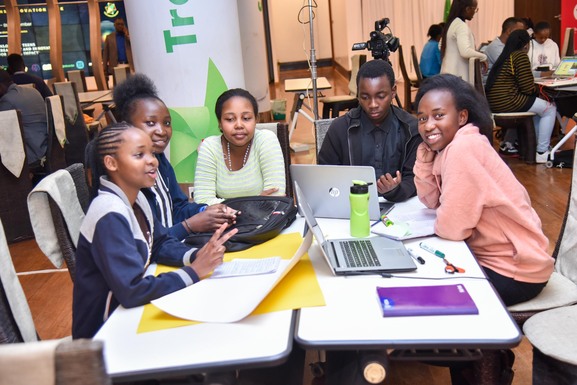
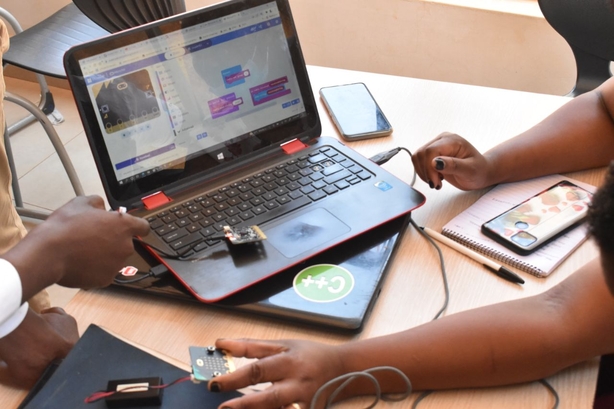
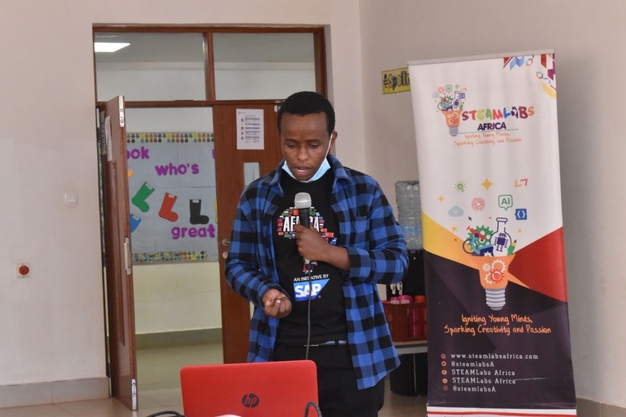
STEAMLabs Africa, in partnership with the Micro:bit Educational Foundation, trained 900 educators who brought hands-on computing to 45,000 learners across Kenya.

Project Snapshot

🕓 Duration

2021–2023 (scalable model, open for new cohorts)

📍 Where

Kenya (with a growing regional footprint)

🤝 Partners

Micro:bit Educational Foundation (+ schools, districts, community hubs)

💡 Focus

Creative computing, physical computing, problem-solving, teamwork

The Why

Too many learners experience computing as theory on a board. We turned classes into living labs—where a tiny device (the micro:bit) becomes a traffic light, a flood alarm, a soil-moisture sensor, or a step counter. When learning is tangible, confidence soars and curiosity leads the way.

What We Did


👩‍🏫 Empowered Educators

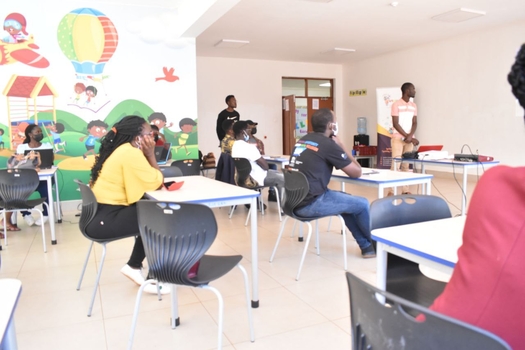
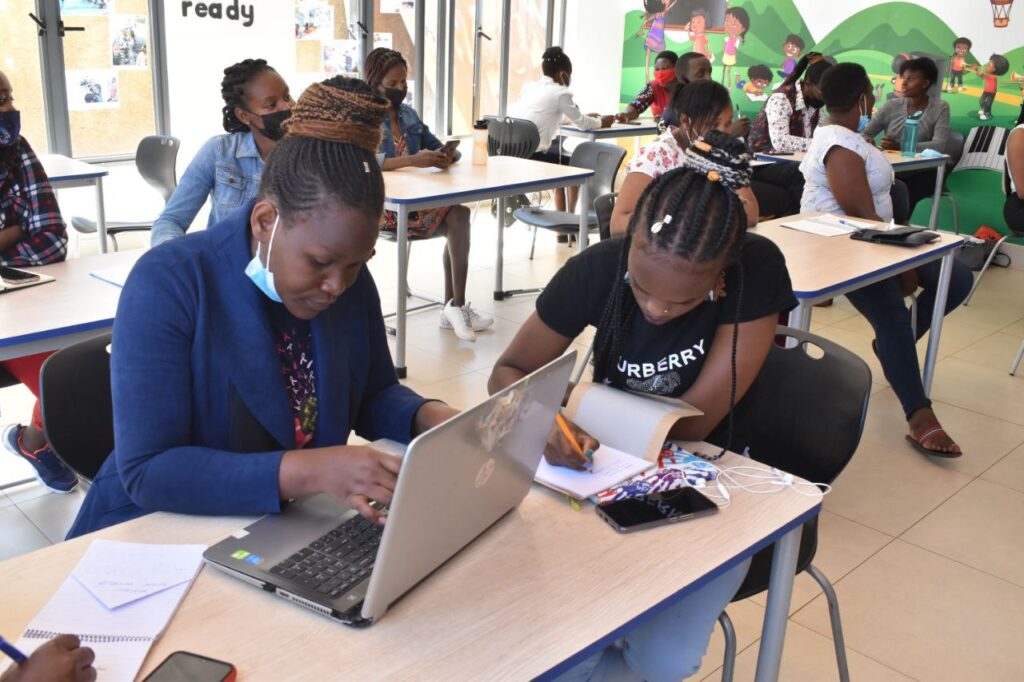
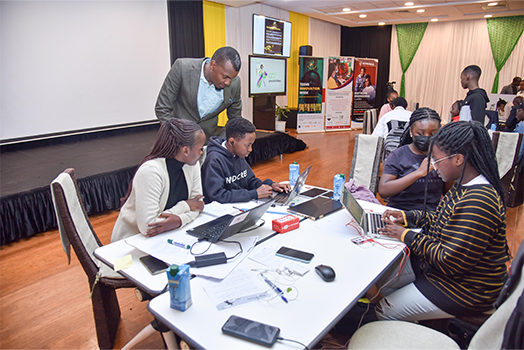
Intensive, practical workshops and coaching that demystify coding, electronics, and classroom facilitation.

🏫 Equipped Classrooms

Micro:bit kits + curated lesson pathways so teachers can start strong and sustain momentum.

🤝 Built Community

A supportive network of teachers who share lessons, troubleshoot together, and celebrate learner projects.

🌍 Showcased Youth Innovation

School challenges, demo days, and community showcases to amplify learner voice and real-world problem-solving.
What Teachers Gained


💻 Confidence to Teach Coding

Teachers gain confidence to teach coding and physical computing through practical, hands-on workshops.

📘 Ready-to-Use Lesson Pathways

Structured lesson plans and assessment rubrics designed for seamless classroom integration.

🤝 Inclusive Collaboration

Practical strategies for inclusive participation, teamwork, and peer collaboration in every classroom.

🌐 Ongoing Community Support

Access to webinars, forums, templates, and continuous guidance from a supportive educator network.

“After the micro:bit training, my Grade 7s built traffic-light prototypes to learn algorithms. Attendance shot up on club days!”

— Janet Nyaboke, Computing Teacher (Nairobi)

What Learners Achieved


💻 Hands-on Coding

From block-based to text-based thinking—learn the foundations of programming in engaging, practical ways.

🎨 Design Thinking

Ideate → prototype → test → iterate. A structured creative process for building meaningful tech solutions.

🌍 Real-World Impact

Projects tackle issues in safety, environment, and health—helping learners see their work change communities.

🚀 Future Skills

Learners build collaboration, creativity, communication, and critical thinking through coding challenges.

🗣️ Learner Voice

“We made a flood alarm for our river. Now I want to be an engineer.”

— Brian, Age 12

The STEAMLabs Approach (How It Works)

Train-the-Trainer Model    

Lead teachers become local champions, multiplying impact across schools.

Inclusion by Design

Low-barrier entry, accessible resources, group work structures, and differentiated tasks so every learner can succeed.

Impact Highlights

0

Teachers upskilled in practical computing pedagogy

0

Learners reached with hands-on creative computing

0+

Clubs seeded or supported (and counting)

Local challenges addressing real community needs

💧 From Lesson to Lifeline

A rural club builds a water-level alert to help during rainy seasons.

👩‍💻 Girls Who Code (and Lead)

A girls’ team designs a wearable step counter, then mentors younger learners.

📊 Data Detectives

Students collect classroom temperature and light data to reduce energy use.

Partner Spotlight: Micro:bit Educational Foundation

“Guided by the Foundation’s vision—‘Inspiring every child to create their best digital future.’—we brought world-class tools and resources into African classrooms, turning curiosity into capability.”

Get Involved

FAQs

No. We start from first principles with highly practical, classroom-ready sessions.

Clubs follow sequenced pathways—discover → build → solve a local problem → showcase.

micro:bit works offline. We provide printable guides and low-bandwidth resources.

Yes. Activities map to computing and science learning objectives, with cross-curricular hooks.

We track teacher confidence, club continuity, learner projects, and participation by gender and age. We provide simple rubrics and reporting templates.

Implementation Timeline (Typical)

Weeks 1–2

Teacher onboarding + kits allocation

Weeks 3–8

Classroom launch + coaching check-ins

Weeks 9–12

Community challenge + showcase

End-of-Term

Reflection + reporting + next-term plan